
What to Do After a Data Breach: Steps to Protect Yourself
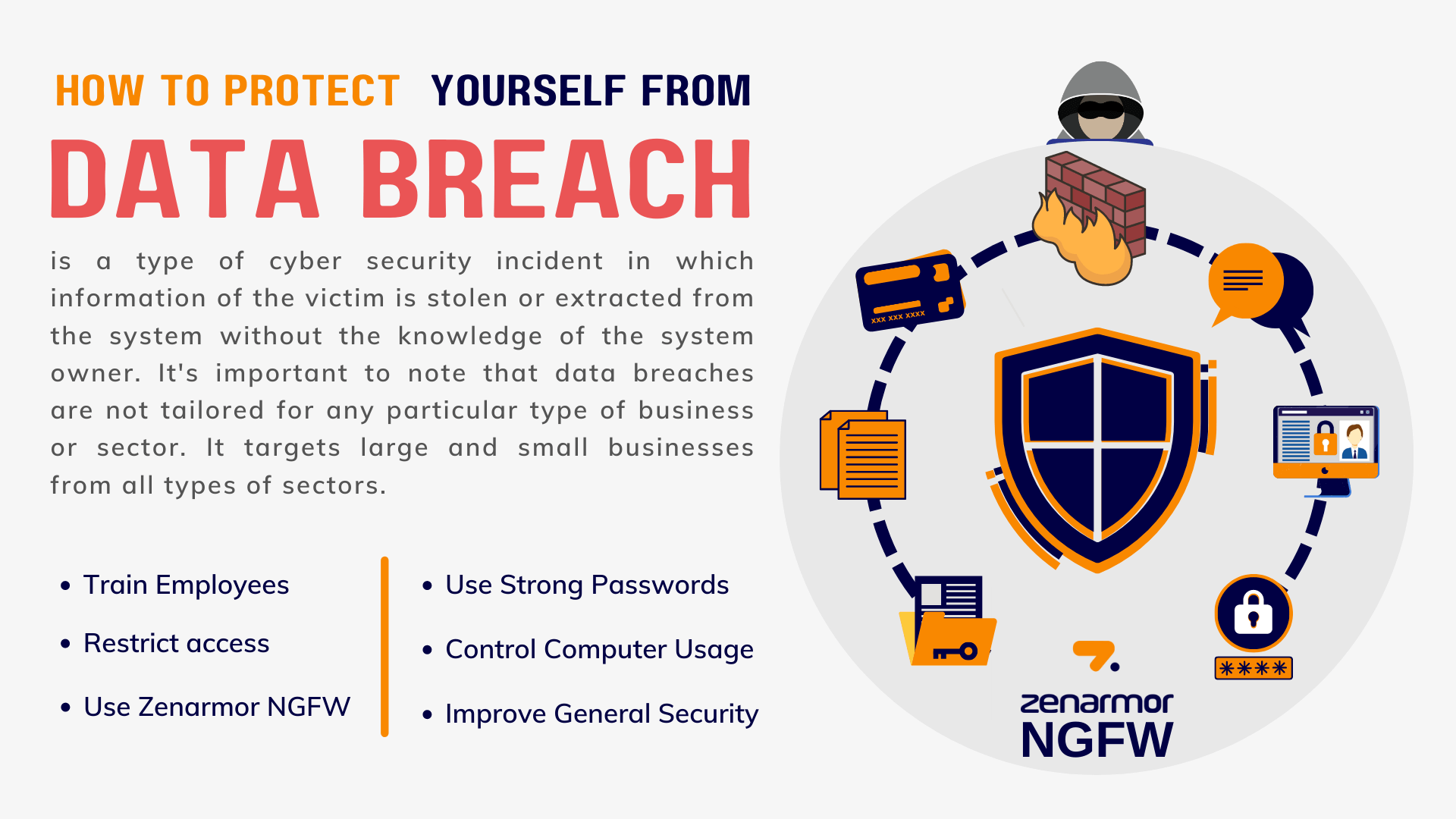
Data breaches affect millions of Americans every year. If you've received notification that your data has been compromised, here are the steps you should take immediately.
Immediate Steps
Change passwords for all affected accounts and any accounts that used the same credentials. Enable two-factor authentication (2FA) wherever possible. Monitor your financial accounts closely for unauthorized transactions.
Place a Fraud Alert
Contact one of the three major credit bureaus (Equifax, Experian, or TransUnion) to place a fraud alert on your credit file. Under federal law, the bureau you contact must notify the other two. An initial fraud alert lasts one year and requires creditors to take extra steps to verify your identity before extending credit.
Consider a Credit Freeze
A credit freeze, or security freeze, prevents new accounts from being opened in your name. Under federal law enacted in 2018, credit freezes are free for all Americans. You'll need to contact each credit bureau separately to place and lift freezes.
File Reports
Report identity theft to the FTC at IdentityTheft.gov, file a report with local law enforcement, and keep detailed records of all communications and steps taken.
Legal Protection
Identity Theft Protection Service Plans provide monitoring, alerts, and restoration services to help you recover from data breaches. Contact Maria Runyon to learn about comprehensive protection plans.
Need Legal Protection?
Contact Maria Runyon to learn about affordable legal service plans that protect you, your family, and your business.