
Credit Monitoring: How to Protect Your Credit Score
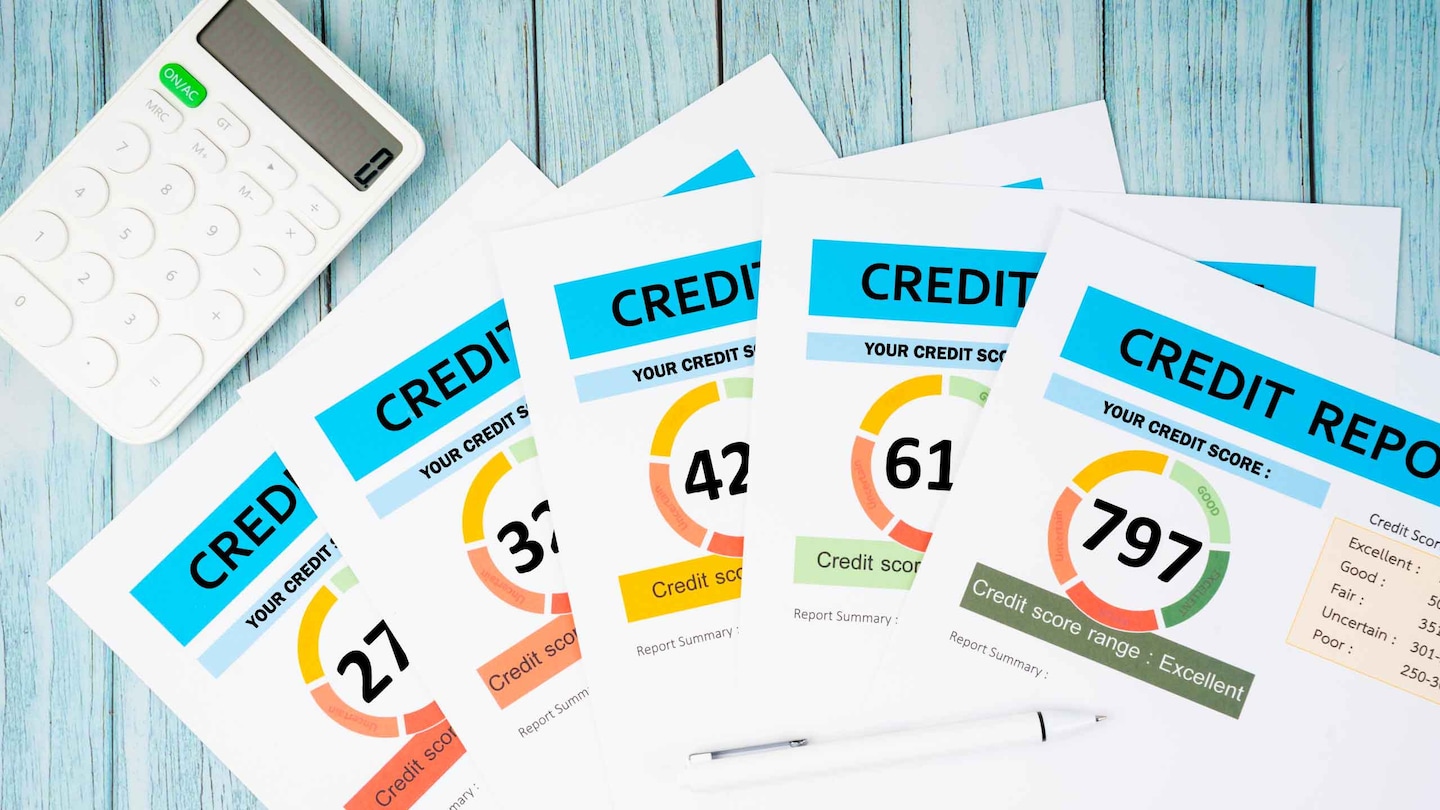
Your credit score is one of the most important numbers in your financial life. It affects your ability to get loans, credit cards, apartments, and even jobs. Here's how to protect it.
Understanding Your Credit Score
In the United States, credit scores typically range from 300 to 850. The three major credit bureaus — Equifax, Experian, and TransUnion — each maintain separate credit reports. Under the Fair Credit Reporting Act (FCRA), you're entitled to one free credit report from each bureau every 12 months at AnnualCreditReport.com.
What Affects Your Score
The main factors include payment history (35%), amounts owed (30%), length of credit history (15%), new credit inquiries (10%), and credit mix (10%). Even one late payment can significantly impact your score.
Credit Monitoring Benefits
Credit monitoring services alert you to changes in your credit report, including new accounts opened in your name, hard inquiries, address changes, and derogatory marks. Early detection of suspicious activity can help prevent identity theft before it causes major damage.
Your Rights Under FCRA
If you find errors on your credit report, you have the right to dispute them. Credit bureaus must investigate disputes within 30 days and remove inaccurate information. An attorney can help if your disputes are not properly resolved.
Get Protection
Identity Theft Protection Service Plans include credit monitoring and restoration services. Contact Maria Runyon to learn more about protecting your financial identity.
Need Legal Protection?
Contact Maria Runyon to learn about affordable legal service plans that protect you, your family, and your business.